Modelista: A Modern Calligraphy Typeface for Elegant Design
When a project calls for a handwritten feel that’s both polished and contemporary, the search for the right script font can be surprisingly specific. You want something with personality, but not so much that it overwhelms the message. You need elegance that feels current, not stuffy. This is the precise space that the Modelista typeface occupies, offering a fresh take on modern calligraphy that bridges the gap between traditional flourish and clean, digital-era design.
Understanding Modelista's Visual Character
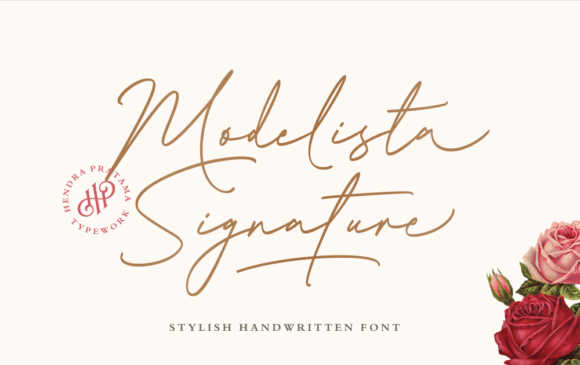
Modelista is best described as a modern signature typeface. Its core style draws from calligraphy but deliberately moves away from the rigid, ornate scripts of the past. The letterforms are fluid and connected, mimicking the natural, flowing motion of a hand signing a document or writing a personal note. However, the connections are simplified, and the overall structure is more consistent and readable than many traditional calligraphy scripts.
The font has a distinct dual personality. In its standard form, it presents a balanced, elegant flow perfect for longer text like invitations or descriptive copy. The Modelista Signature variant takes this a step further, amplifying the personal, autographic quality. It’s less about forming perfect letters and more about capturing the spontaneous energy of a signature, complete with natural loops and a confident baseline. This makes it an exceptionally versatile premium font family.
Key visual traits include:
- Smooth, Connected Strokes: The letters link seamlessly, creating a continuous, flowing line that feels organic.
- Variable Stroke Weight: Subtle thick and thin transitions add depth and a handmade quality, preventing the design from looking flat or overly mechanical.
- Modern Simplicity: While decorative, it avoids overly complex swashes or hard-to-decipher ligatures by default, prioritizing clarity.
- Confident, Upright Posture: Unlike some slanted italic scripts, Modelista maintains a relatively vertical stance, contributing to its modern and stable feel.
Where Modelista Truly Shines: Practical Applications
The real value of a creative font like Modelista is in its application. Its style makes it particularly effective in contexts where a personal, upscale, or artistic touch is required without sacrificing professionalism.
Branding and Logo Design
For entrepreneurs and small business owners, a logo design using Modelista can instantly communicate approachability, craftsmanship, and elegance. It’s ideal for brands in the wedding industry, boutique retail, artisanal food, wellness, beauty, and creative services. The Modelista Signature style is perfect for creating a monogram or a stylized brand name that feels like a personal stamp of approval, fostering a stronger brand identity.
Event Invitations and Stationery
This is perhaps its most natural habitat. Whether for a wedding, gala, or milestone celebration, Modelista sets a tone of sophisticated anticipation. It works beautifully for the main headline on an invitation suite, the names of the hosts, or on RSVP cards. Pair it with a clean sans serif font for the event details to ensure all logistical information remains perfectly legible.
Editorial and Publishing Design
In editorial design, Modelista can serve as a powerful accent font. Use it for chapter titles, pull quotes, or section headings in magazines, books, or digital publications. It adds a human, conversational element to layouts that might otherwise feel sterile, especially in lifestyle, travel, or food content. It’s a script font that adds flair without derailing the reading experience.
Digital and Social Media
For web design and social media graphics, Modelista helps content stand out in a crowded feed. It’s excellent for Instagram quote graphics, YouTube thumbnail text, Pinterest pins, or website hero sections. Its high-contrast style ensures it remains impactful even at smaller sizes on screens. For packaging design, it can elevate product labels, especially for cosmetics, gourmet goods, or boutique items.
Making Modelista Work for Your Project
Adopting any new typeface requires thoughtful consideration. Here’s how to evaluate and implement Modelista effectively.
Evaluating Fit and Font Pairing
First, consider your project's tone. Modelista excels in contexts that value elegance, personalization, and artistry. It may be less suitable for formal corporate reports or technical manuals. A critical step is font pairing. Because Modelista is a display font with high personality, it pairs best with neutral, highly legible typefaces. A simple, geometric sans serif font (like Montserrat or Lato) or a classic, readable serif font (like Georgia or Lora) will provide excellent contrast and ensure your body text is easy to read.
Testing for Readability and Hierarchy
Always test the font at the sizes you intend to use it. While Modelista is designed for clarity, its connected nature means very small sizes (below 12pt for print, or 16px for web) can become challenging to read. Use it for headlines, titles, and short phrases rather than for paragraphs of body copy. This naturally establishes a strong visual hierarchy, guiding the viewer’s eye to the most important information first.
Leveraging Included Styles
A complete font family like Modelista often includes more than just the regular style. Check for alternates, ligatures, or different signature versions. These are design assets that allow you to customize the look further—swapping a capital 'M' for a more ornate version or using a unique 'th' ligature can make a headline feel truly bespoke.
Understanding Licensing
For any commercial project—from client work to products for sale—you must ensure you have the correct commercial font license. This is non-negotiable. Review the license terms from the foundry or distributor. Most licenses cover a specific number of users or projects. Using a font without the proper license is a legal risk that’s easily avoided.
Ultimately, Modelista is more than just another handwritten font. It’s a thoughtfully designed tool for injecting contemporary elegance and human warmth into your projects. By understanding its strengths and applying it with intention, you can create designs that are not only beautiful but also strategically effective in connecting with your audience.